Unlocking Performance Bodywork Benefits: What It Is and Why It Matters

When you push your body to the limit, recovery and maintenance become just as important as training. That’s where performance bodywork steps in. It’s a specialized approach designed to help you move better, recover faster, and perform at your peak. Whether you’re an elite athlete or someone who loves to stay active on weekends, understanding this practice can transform how your body feels and functions.
Performance bodywork is more than just a luxury or a treat. It’s a strategic tool that supports your physical health and athletic goals. Let’s dive into what it is, why it matters, and how it can benefit you.
What Are the Performance Bodywork Benefits?
Performance bodywork offers a range of benefits that go beyond simple relaxation. It targets the root causes of pain, stiffness, and limited mobility. Here’s what you can expect:
Faster Recovery: After intense workouts or competitions, your muscles and connective tissues need help to heal. Performance bodywork speeds up this process by improving blood flow and reducing inflammation.
Pain Relief: Chronic aches or acute injuries can hold you back. Bodywork techniques focus on releasing tension and correcting imbalances that cause pain.
Improved Mobility: Tight muscles and restricted joints limit your range of motion. Bodywork helps restore flexibility and joint function, making movement smoother and more efficient.
Enhanced Performance: When your body moves well, you perform better. Bodywork can improve posture, alignment, and muscle coordination, all of which contribute to peak athletic output.
Injury Prevention: By addressing imbalances and weaknesses early, bodywork reduces the risk of injury during training or competition.
These benefits combine to create a stronger, more resilient body. You’ll notice the difference not just in your workouts but in everyday activities too.
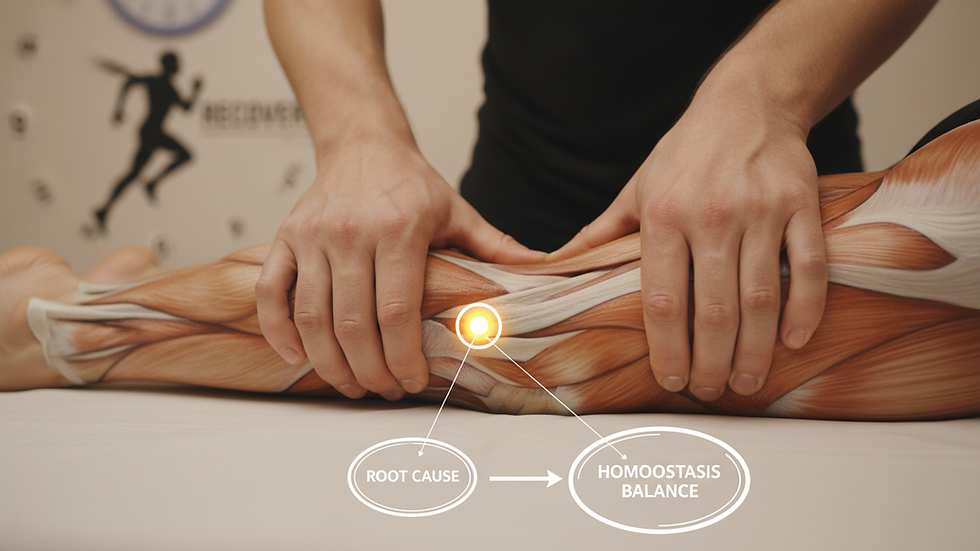
How Performance Bodywork Works
Performance bodywork uses a variety of hands-on techniques tailored to your specific needs. It’s not a one-size-fits-all approach. Instead, it involves a detailed assessment of your body’s structure and function.
Some common techniques include:
Myofascial Release: This targets the fascia, the connective tissue surrounding muscles. Releasing tight fascia improves flexibility and reduces pain.
Deep Tissue Massage: Focuses on deeper layers of muscle and connective tissue to break up adhesions and knots.
Trigger Point Therapy: Applies pressure to specific points that cause referred pain elsewhere in the body.
Joint Mobilization: Gently moves joints to restore proper alignment and function.
Neuromuscular Techniques: Work on the nervous system to improve muscle activation and coordination.
Each session is customized. The therapist listens to your concerns, evaluates your movement patterns, and applies the right combination of techniques. This personalized care ensures you get the most out of every treatment.
Is Bodywork Different from Massage?
Yes, bodywork and massage are related but not the same. Massage often focuses on relaxation and general muscle tension relief. It’s great for stress reduction and feeling good.
Bodywork, especially performance bodywork, goes deeper. It’s a therapeutic approach aimed at improving function, addressing pain, and enhancing athletic performance. While massage can be part of bodywork, the latter includes a broader range of techniques and a more targeted purpose.
Think of massage as a way to unwind, and bodywork as a way to fix and optimize your body. Both have their place, but if you want to recover faster, prevent injury, and move better, bodywork is the way to go.

Who Can Benefit from Performance Bodywork?
You don’t have to be a professional athlete to benefit from performance bodywork. It’s designed for anyone who wants to move better and feel stronger. Here are some examples:
Elite Athletes: Need precise care to maintain peak condition and recover quickly from intense training.
Endurance Athletes: Long-distance runners, cyclists, and swimmers who face repetitive strain and muscle fatigue.
Weekend Warriors: People who train hard on weekends and want to avoid injuries and soreness.
Active Individuals: Anyone who enjoys regular physical activity and wants to improve mobility and reduce pain.
The Lab Bodywork By Troy specializes in helping all these groups. Their expert care focuses on unlocking your full physical potential through specialized techniques.
How to Incorporate Performance Bodywork into Your Routine
To get the most from performance bodywork, consistency is key. Here’s how to make it part of your health and fitness plan:
Schedule Regular Sessions: Don’t wait for pain or injury. Regular bodywork helps maintain balance and prevent problems.
Communicate Openly: Share your goals, pain points, and training schedule with your therapist. This helps tailor the treatment.
Combine with Other Recovery Tools: Use bodywork alongside stretching, foam rolling, hydration, and proper nutrition.
Listen to Your Body: Notice how your body responds after sessions. Adjust frequency and techniques as needed.
Stay Active: Bodywork supports movement, but staying active is essential for long-term benefits.
By making performance bodywork a regular part of your routine, you’ll support your body’s ability to perform and recover.
If you’ve ever wondered what is performance bodywork and how it can help you, now you have a clearer picture. It’s a powerful tool for anyone serious about their physical health and performance.
Investing in your body with expert care can unlock new levels of strength, flexibility, and resilience. Don’t wait for pain to slow you down. Take action now and experience the difference performance bodywork can make.
Your body works hard for you every day. Return the favor with care that helps you move better, recover faster, and perform at your best.


Comments